The provider matters as much as the duration
Two watch offers can both say “two-year warranty” and still provide different service arrangements. The practical question is who accepts responsibility for a claim and which documents establish eligibility. Before purchasing, identify whether the coverage comes from the manufacturer, a distributor or the selling store. Ask for the provider’s written terms rather than inferring manufacturer support from a retailer’s headline.
What a manufacturer warranty establishes
A manufacturer sets its own purchase-eligibility rules, covered faults, exclusions and service process. The relevant rules may depend on the market, model or documentation. Some brands use digital activation or registration; others require purchase evidence through a particular process. A genuine watch and an eligible manufacturer-warranty purchase are related questions, but they are not interchangeable facts.
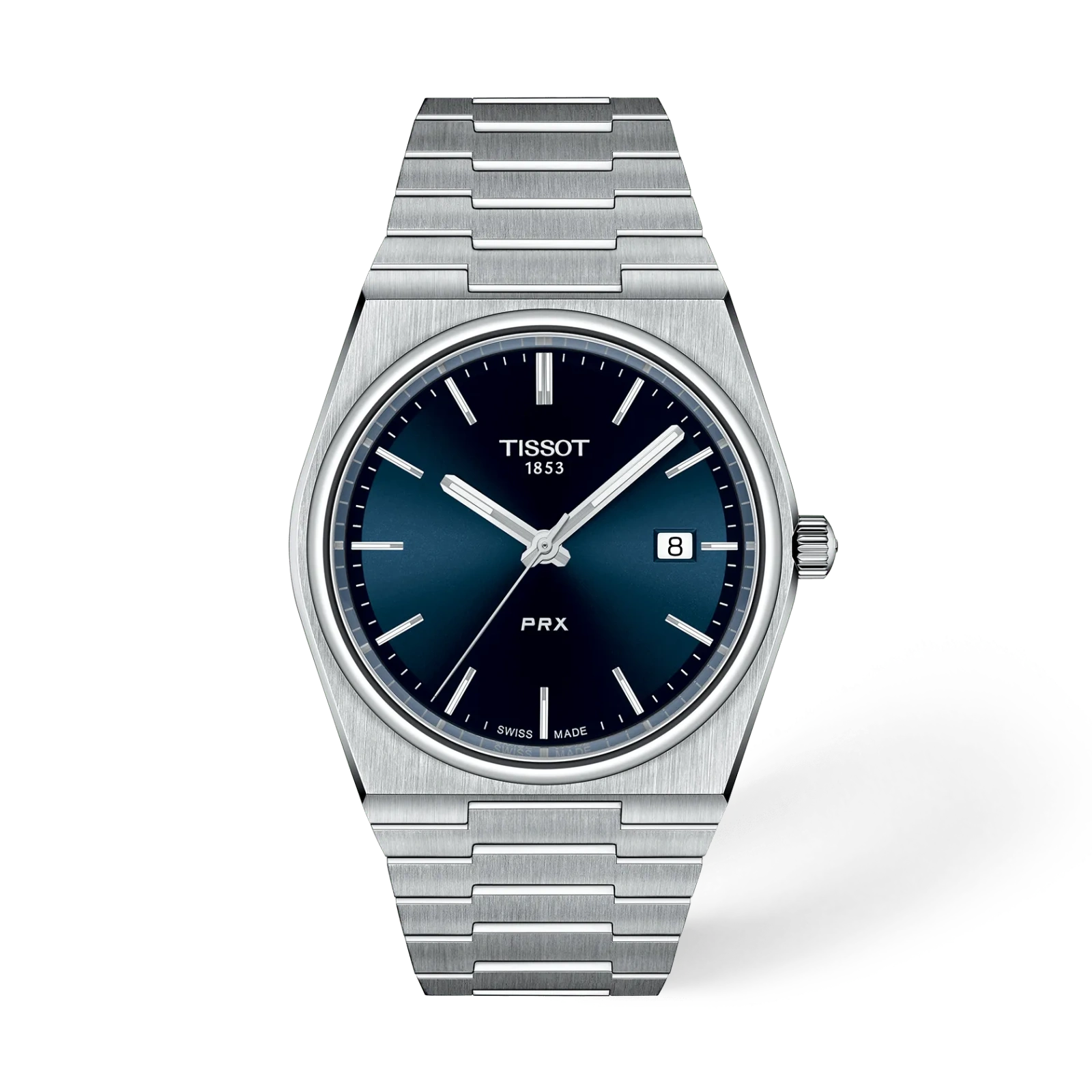
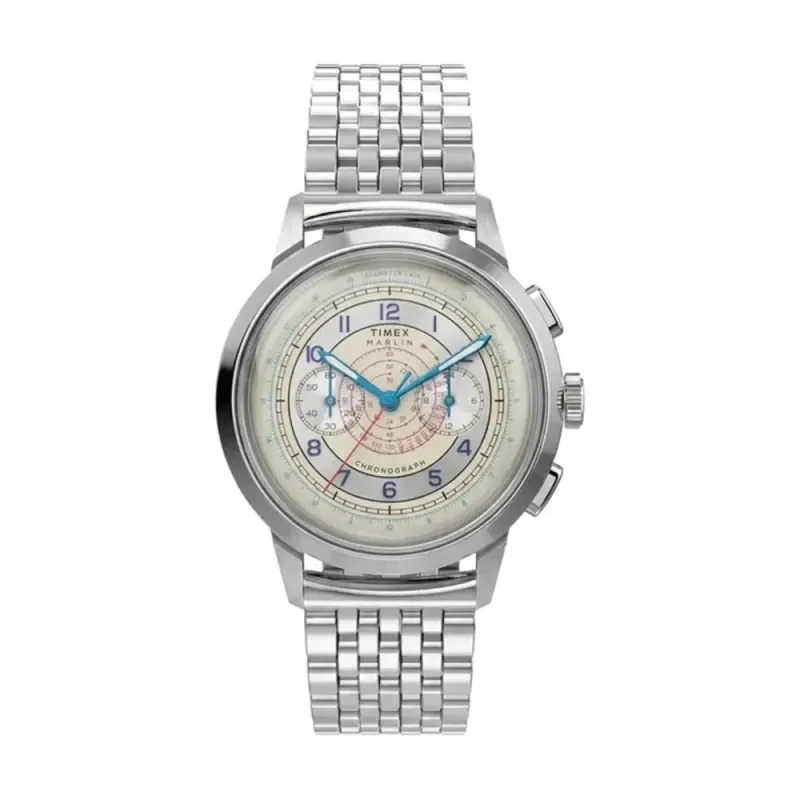
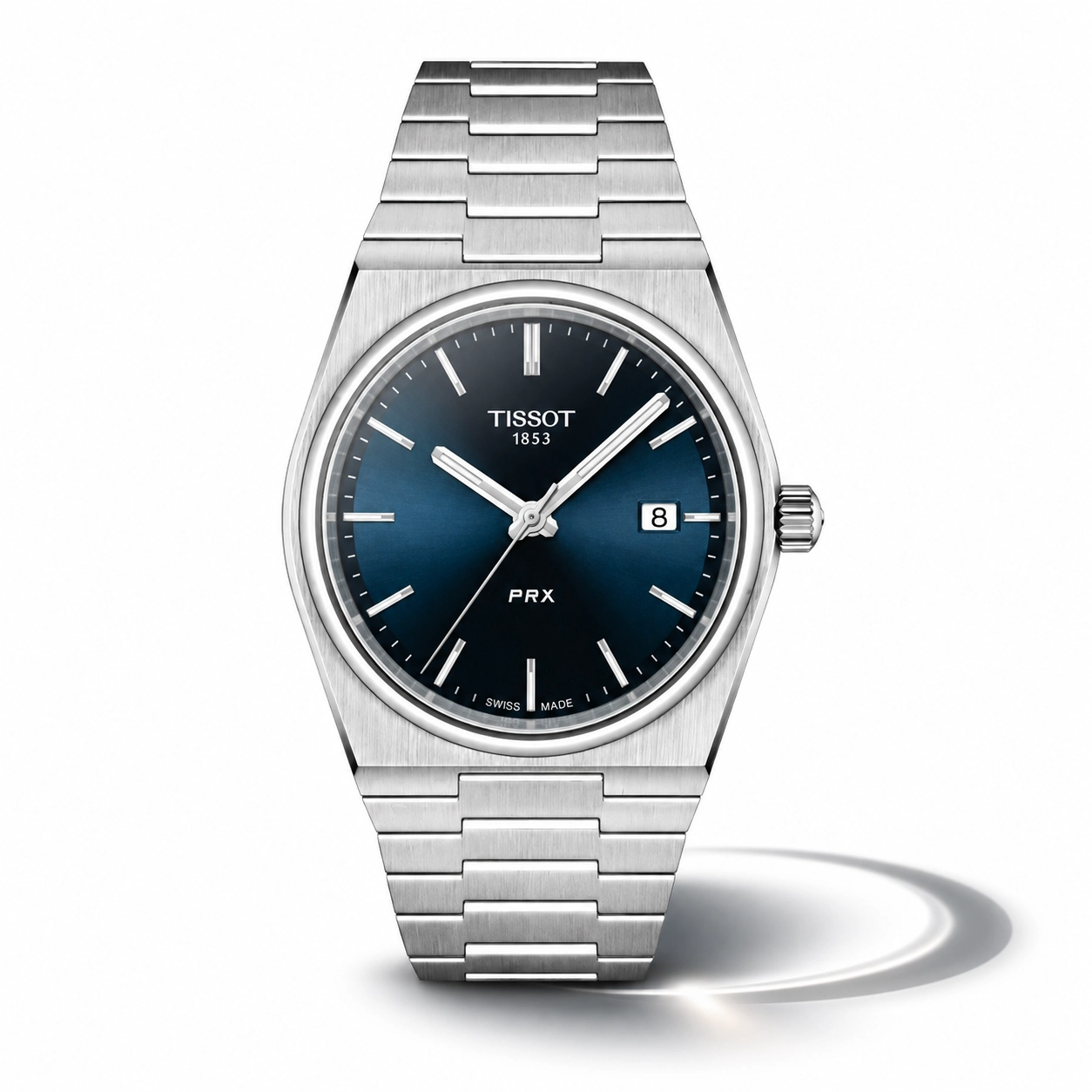
For example, Timex’s published international warranty describes authorized-retailer and proof-of-purchase requirements. Tissot explains its retailer network and Watch-Secur/digital warranty processes in its customer-service information. Read the current terms for the offered watch and ask the brand’s support channel if the eligibility is unclear. Do not assume that every watch advertised by any retailer automatically qualifies.
What seller or distributor coverage can mean
A seller or distributor may offer service through its own process. Ask where a claim is handled, which faults are covered and how long the written promise lasts. Confirm who inspects the watch and whether another service provider is involved. A clear seller warranty can be assessed on its actual terms; it should not be described as manufacturer international coverage without the documentation supporting that description.
If the watch needs shipping for inspection, ask who pays the shipping, whether a handling charge applies and how you receive an estimate for work outside coverage. Avoid relying on an informal phrase such as “service available” when you need a defined warranty promise.
A document checklist before payment
Ask the seller to identify the exact reference on the invoice. Confirm the purchase date, named retailer and warranty provider. Ask whether a card, digital activation record or other evidence is required, and whether it will be available with the purchase. Keep these records privately. Protect serial numbers and personal details when requesting assistance; a public comment thread is not an appropriate place to share complete credentials.
Also separate warranty coverage from a return or exchange policy. A warranty normally addresses defined faults under its terms, while return conditions govern a different decision. Check both before purchasing, especially if the watch is a gift or needs bracelet adjustment.
Comparing prices with different coverage
Compare offers only after matching reference, condition, accessories and warranty. A cheaper offer with a different provider is not necessarily the same purchase proposition. Equally, an “official” label without supporting eligibility information does not establish stronger protection. Ask the questions in writing and decide using the documents and service route you can actually verify.
At WATCH 24 BD, consult the warranty guidance and purchase verification checklist, then contact the store about the particular listing. Reference sources: Timex international warranty and Tissot customer-service FAQ. This guide explains how to compare terms and does not independently certify any retailer’s authorization.