Start with the exact watch, not the promise
A useful authenticity check begins with the complete model reference and the watch actually being supplied. Brand names, attractive boxes and a retailer’s authenticity headline cannot establish that a particular watch is genuine or that a manufacturer warranty applies. Compare the model, photographs, documents and seller’s written offer together. If a detail does not match, ask for clarification before paying rather than treating a low price or an online rating as proof.
Build a reference checklist
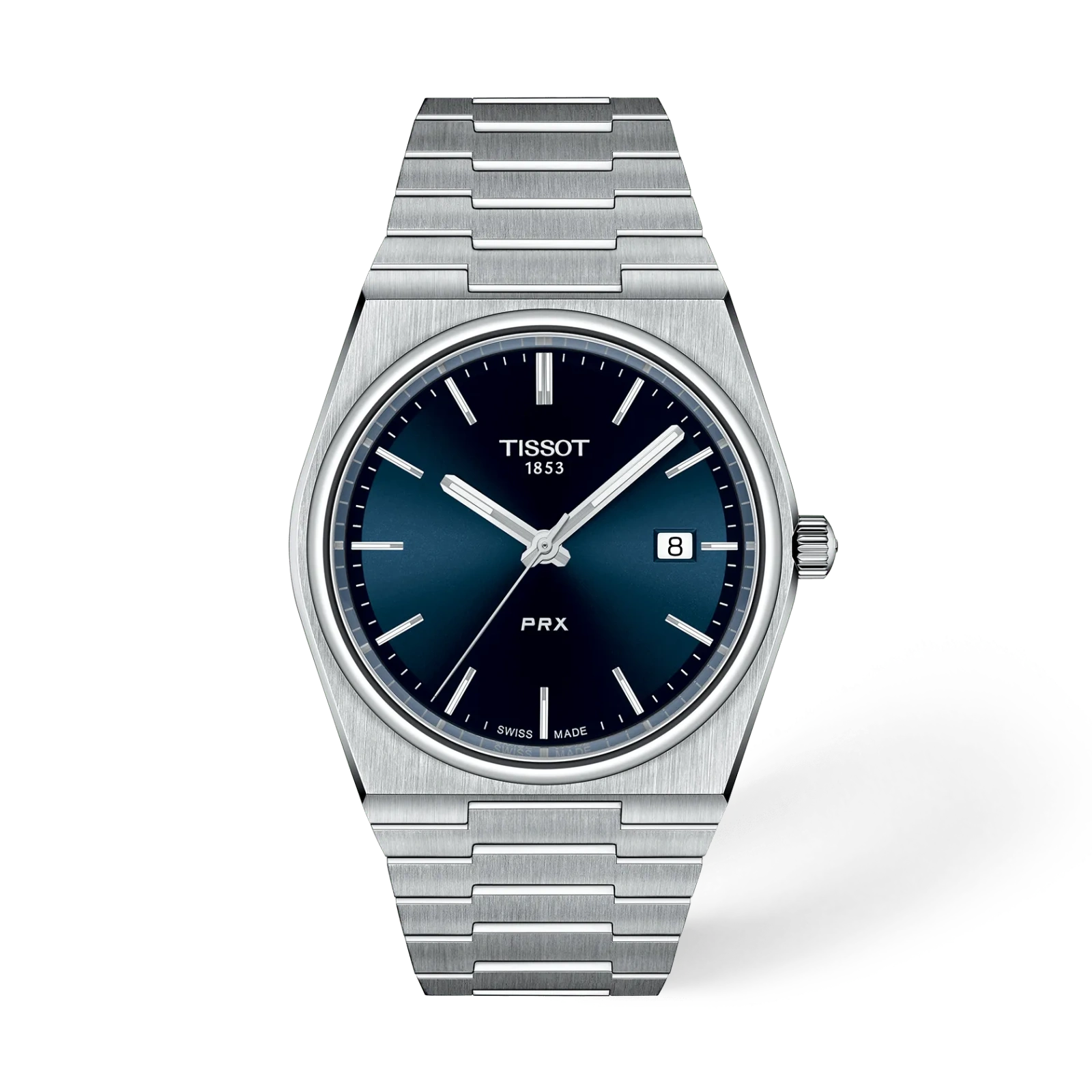
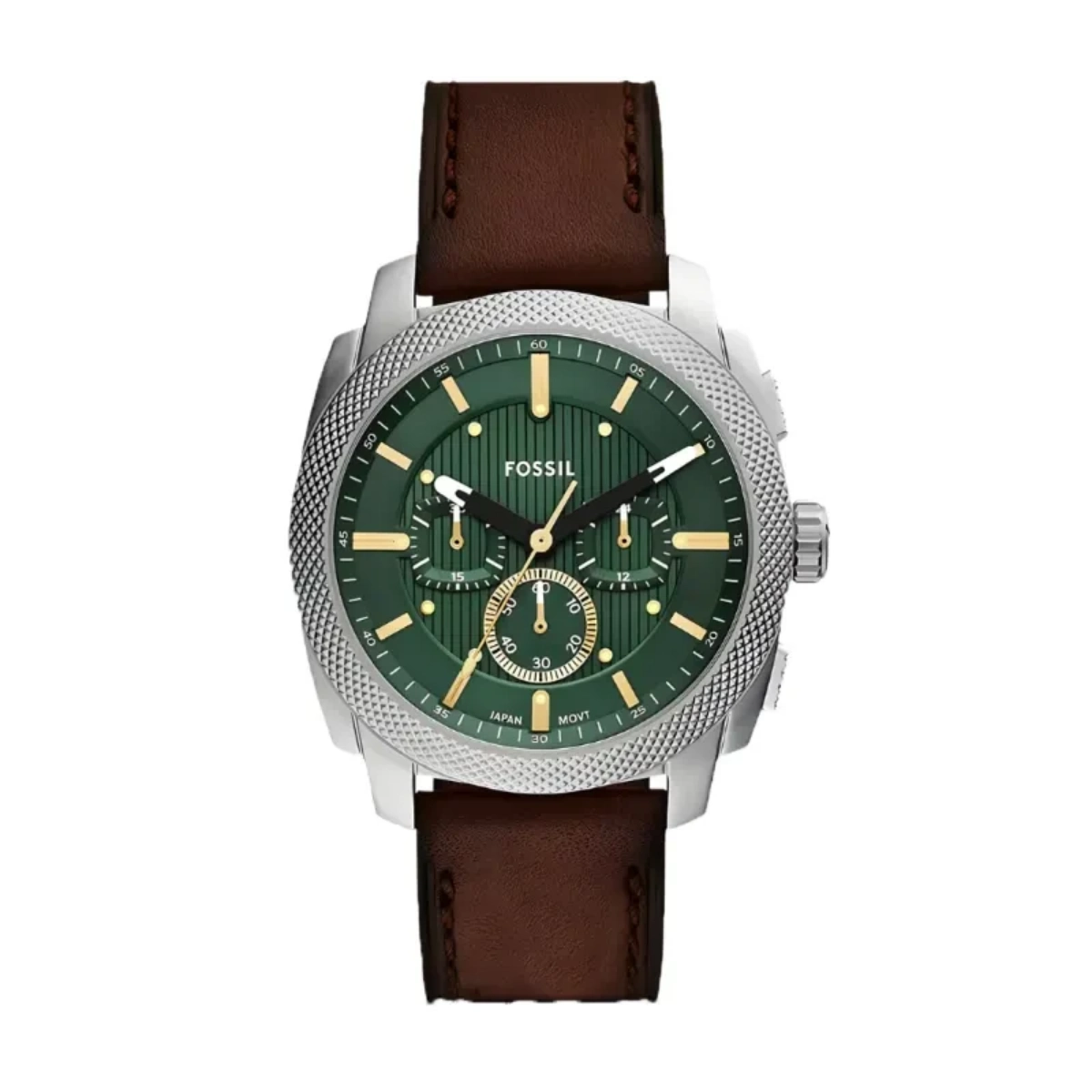
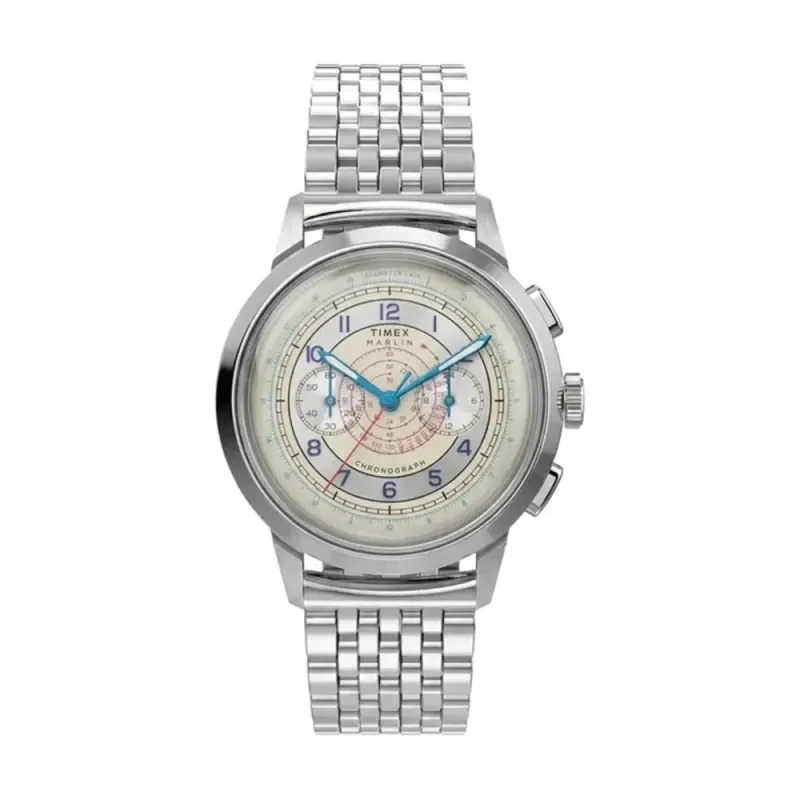
Write down the reference exactly, including suffixes when they distinguish a market, strap or dial variant. Look up the manufacturer’s page or instructions for that reference. Compare the dial arrangement, case dimensions, crown position, movement description and strap with the listing. Watches in the same family can use different movements and sizes. A similar-looking model is therefore not enough for a like-for-like comparison.
Ask which photographs show the actual item and which are catalogue illustrations. A rear view can help compare a caseback, but an engraving alone is not an authentication certificate. When inspection by a brand or competent service professional is appropriate, arrange that inspection using the provider’s published process. Do not assume that an unfamiliar marking is automatically fake, because documentation and model generations can differ.
Check the purchase documents
Ask for a dated invoice that identifies the watch and the retailer. Confirm the actual included box, manual, tags and warranty evidence. Keep the seller’s written explanation when the offered documents differ from the listing. For an online order, save the product reference and agreed terms privately so that you have a record of the offer at the time of purchase.
Avoid publishing complete serial numbers, invoices containing home addresses or unredacted supplier documents in public reviews. A public photo is not the right place to resolve a private warranty credential. Share sensitive documents only through the appropriate seller or manufacturer support channel.
Identify who provides the warranty
Manufacturer, distributor and seller warranties can have different conditions and service locations. Confirm the provider, duration, covered faults, exclusions and any shipping or handling cost. Timex’s international warranty describes purchase-eligibility and proof-of-purchase conditions. Tissot explains retailer and Watch-Secur/digital warranty checks in its customer-service information. A general duration shown on a brand website does not establish the eligibility of a particular sale.
Make the final purchase decision
Compare the complete reference, condition, documentation and warranty provider when reviewing prices. Ask about payment, delivery and return conditions before checkout. If the watch will be a gift, confirm sizing and exchange conditions as well. Keep the invoice and correspondence after delivery, inspect the watch within the applicable process and contact the named provider promptly when something does not match.
This checklist is a purchasing aid, not an authentication of any individual watch. WATCH 24 BD’s purchase verification page, warranty guidance and contact information help you ask the relevant questions. See the manufacturer’s current Timex warranty terms and Tissot customer-service FAQ for their own processes.